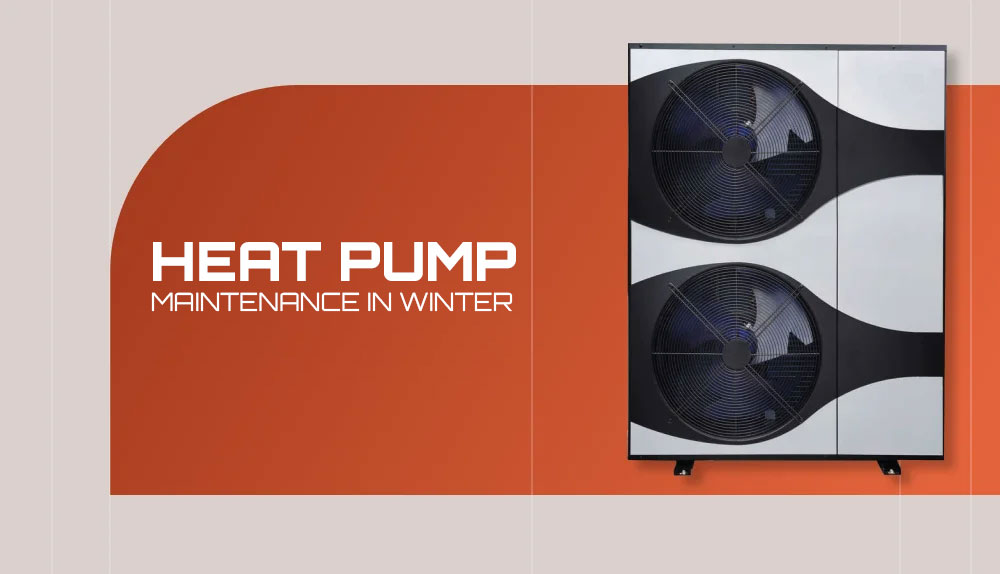
Heat pumps are among the most energy-efficient heating solutions for Armenia’s diverse climate. However, during the freezing winter months, especially when you are away from home or facing power outages, a specific approach is required to maintain efficiency.
Below are the essential steps to ensure your system’s uninterrupted operation and extend the lifespan of your equipment.
What to Do in Winter if You Are Away From Home
If you plan to be away for an extended period, follow these safety guidelines:
- Do Not Completely Turn Off the Heat Pump. Switch it to “Economy Mode” while maintaining a minimum temperature (around +10°C). This prevents pipe freezing and excess indoor humidity.
- Inspect the Outdoor Unit. Ensure the external unit is clear of snow, debris, and ice buildup. Proper airflow is critical for the unit’s defrost cycle and overall efficiency.
- Extended Absence (10+ days). It is advisable to consult a specialist before leaving. Most modern models feature a dedicated “away” or “holiday” mode, designed to minimize energy consumption while protecting the system.
- Uninterrupted Power Supply. If your area is prone to power fluctuations, ensure you have a professional UPS (Uninterruptible Power Supply) system integrated into your HVAC setup.
What to Do During a Power Outage
- Short-Term Outages. Do not worry if the outside temperature is above -5°C and the power outage lasts up to 2 hours. Most systems will automatically resume their previous settings once power is restored.
- Use Antifreeze Mix. If frequent or long-term power outages are expected, use a propylene glycol-based antifreeze mixture in your system. This prevents water from freezing in the pipes even at temperatures as low as -20°C.
- Circulation Pump and UPS. Utilize Anti-freeze or Pump Circulation functions. An auxiliary UPS allows the circulation pump to continue moving water through the system even during a blackout, preventing ice formation
Taking these simple precautions can significantly extend the life of your heat pump and prevent costly repairs. Remember, seasonal maintenance is always more cost-effective than emergency fixes.